
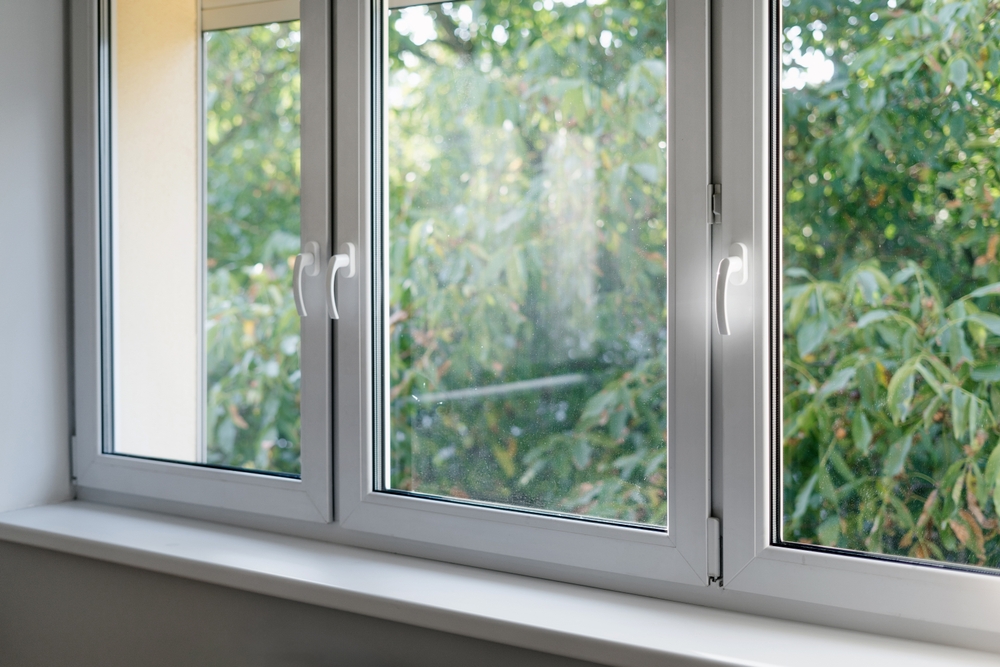
Windows do much more than provide natural light and outdoor views. They play an important role in a home’s comfort, energy efficiency, noise reduction, and overall performance throughout the year. As homeowners replace aging windows or build new homes, one of the most common questions they face is whether single-pane or double-pane windows are the better choice.
Although both options serve the same basic purpose, they differ significantly in construction and performance. Understanding these differences can help homeowners make informed decisions that align with their home’s needs, local climate, and long-term goals.
Key Takeaways
- Double-pane windows provide improved insulation compared to single-pane designs.
- Better insulation often contributes to increased indoor comfort throughout the year.
- Multiple glass layers help reduce outside noise and improve energy efficiency.
- Single-pane windows are typically found in older homes and offer fewer insulating benefits.
- Understanding window performance helps homeowners make better long-term investments.
Understanding How Window Glass Has Evolved
For decades, single-pane windows were the standard in residential construction. At the time, energy costs were relatively low, building codes were less demanding, and homeowners had fewer expectations regarding insulation and indoor comfort.
As technology advanced and energy efficiency became a greater priority, manufacturers developed window systems capable of reducing heat transfer while improving year-round performance. Double-pane windows quickly became the preferred option for new construction and replacement projects because they offered meaningful improvements without dramatically changing the appearance of the home.
Today, most modern homes are built with insulated glass systems designed to perform more efficiently in both hot and cold weather.
What Is a Single-Pane Window?
A single-pane window consists of one sheet of glass installed within the window frame.
While this design allows natural light into the home, it provides very little insulation against outdoor temperatures. Heat and cold transfer relatively easily through a single layer of glass, making it more difficult for the home to maintain consistent indoor temperatures.
Many older homes still contain single-pane windows because they were common for many years. Although they continue to function as basic windows, homeowners often notice drafts, temperature fluctuations near windows, and higher heating or cooling demands.
Because of these limitations, single-pane windows are becoming less common in modern residential construction.
How Double-Pane Windows Work
Unlike single-pane designs, double-pane windows contain two sheets of glass separated by a sealed space between them.
This gap is often filled with insulating gas such as argon, which slows the transfer of heat between the inside and outside of the home. The sealed airspace acts as an additional insulating barrier that improves overall thermal performance.
Many modern products also include Low-E glass coatings that reflect heat while still allowing natural light to enter. These advanced technologies work together to create windows that are far more efficient than earlier designs.
Rather than relying on a single piece of glass, the complete insulated glass unit is engineered to improve comfort throughout every season.
Comparing Energy Efficiency
One of the biggest differences between single- and double-pane windows is energy performance.
Glass naturally transfers heat, but adding a second pane significantly reduces the rate at which that transfer occurs. During summer, insulated windows help limit the amount of outdoor heat entering the home. During winter, they help retain conditioned indoor air.
For homeowners considering energy-efficient windows, this improved insulation may contribute to lower heating and cooling demands over time.
While energy savings vary depending on climate, home design, and existing windows, better insulation remains one of the primary reasons homeowners upgrade.
Indoor Comfort Throughout the Year
Energy efficiency often receives the most attention, but comfort is equally important.
Homes with single-pane windows frequently experience noticeable temperature differences near the glass. During hot afternoons, rooms may feel warmer, while cold winter mornings can leave spaces feeling drafty even when the heating system is running.
Double-pane windows help reduce these fluctuations by creating a more effective barrier between indoor and outdoor temperatures.
The result is a home that feels more comfortable throughout the day without requiring the HVAC system to work as hard to maintain consistent conditions.
Better Noise Reduction
Another benefit homeowners often notice is reduced outside noise.
Because double-pane windows include two layers of glass separated by an insulating space, they naturally block more sound than single-pane designs.
This difference can be especially valuable for homes located near busy streets, schools, parks, commercial areas, or other locations where outdoor noise is common.
Although they are not completely soundproof, insulated windows often create a quieter indoor environment that many homeowners appreciate.
Why More Homeowners Are Replacing Single-Pane Windows
Many homeowners begin considering replacement windows only after they notice rising energy bills, persistent drafts, or rooms that never seem to stay comfortable. In many cases, aging single-pane windows are a contributing factor.
Over time, window frames can deteriorate, seals can weaken, and glass performance remains limited compared to today’s insulated designs. While maintenance can address certain issues, replacing outdated windows often provides a more comprehensive long-term solution.
A modern window replacement can improve comfort, increase energy efficiency, enhance curb appeal, and reduce ongoing maintenance concerns. For homeowners planning renovations or preparing a home for resale, updated windows can also contribute to improved property value and overall appearance.
Durability and Long-Term Performance
Beyond comfort and efficiency, homeowners should also consider how well windows perform over time.
Modern double-pane windows are built using advanced manufacturing techniques that help improve durability under changing weather conditions. Quality frames, insulated glass units, and weather-resistant seals are designed to withstand years of exposure to sunlight, rain, and seasonal temperature fluctuations.
While no window lasts forever, a properly installed double-pane system generally requires less maintenance than aging single-pane windows. Routine cleaning and occasional inspections are often enough to keep them performing as intended.
Choosing high-quality products installed by experienced professionals can also help maximize the lifespan of the investment.
Which Option Is Right for Your Home?
Every home has different needs, and there are situations where single-pane windows may still be appropriate, particularly for certain historic homes or specialty structures where maintaining the original appearance is a priority.
For most modern residences, however, double-pane windows offer meaningful advantages that align with today’s expectations for comfort, efficiency, and long-term performance.
When comparing window options, homeowners should consider several factors:
- The age and condition of the existing windows
- Local climate and seasonal weather patterns
- Household energy costs
- Desired level of noise reduction
- Long-term maintenance expectations
- Overall renovation goals
A professional window evaluation can help homeowners determine which products best suit their home’s design and performance requirements.
Professional Installation Makes a Difference
Even the highest-quality window will not perform as intended if it is installed improperly.
Accurate measurements, proper flashing, weather sealing, insulation, and precise fitting all contribute to long-term performance. Poor installation can allow air and water infiltration that reduces many of the efficiency benefits homeowners expect from new windows.
Working with experienced installers helps ensure the window system performs as designed while protecting the home’s structural integrity. Professional installation also provides confidence that the manufacturer’s specifications and warranty requirements have been properly followed.
Upgrade Your Home With the Right Windows
If your home still has aging single-pane windows or you’re planning a future upgrade, understanding your options is the first step toward making a confident investment.
New View Windows helps homeowners compare window styles, evaluate performance features, and select products that improve comfort, efficiency, and curb appeal. Whether your goal is lowering energy costs, reducing outside noise, or modernizing your home, experienced guidance can help you choose the right solution.
Contact us today to schedule a consultation and take the next step toward high-quality replacement windows designed for lasting performance.