
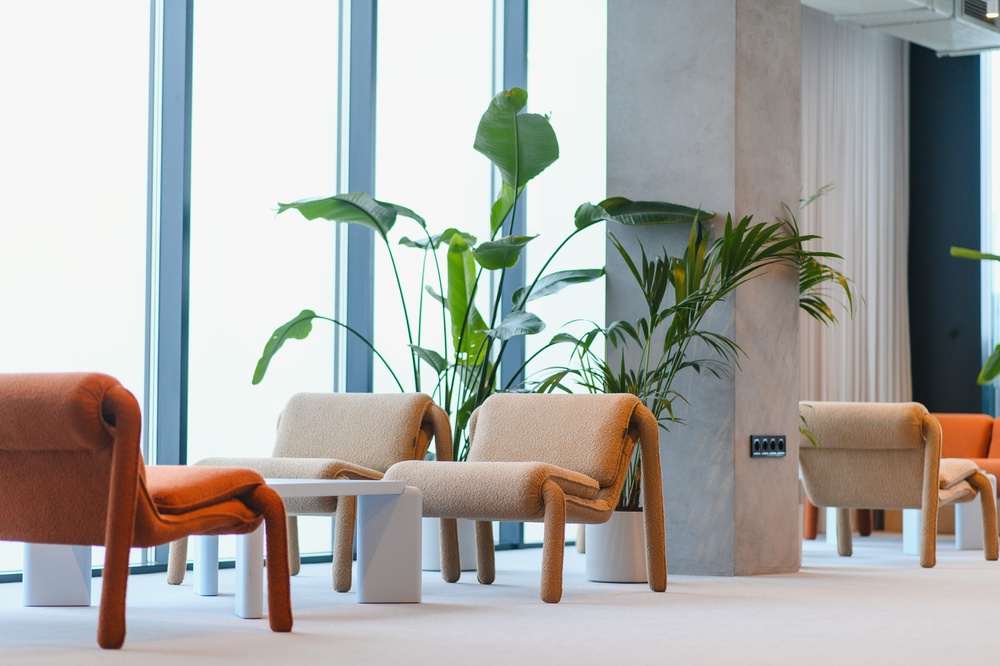
Natural light has become one of the most sought-after features in residential design. Homeowners are increasingly looking for ways to create brighter, more inviting living spaces while reducing reliance on artificial lighting during the day. Advances in architecture, building materials, and residential construction have transformed how homes interact with sunlight, making thoughtful window placement and design more important than ever.
A well-planned window design can significantly influence how light enters a home, affecting everything from visual comfort and energy consumption to mood and perceived space.
Understanding how modern window designs impact indoor environments can help homeowners make informed decisions when renovating, building, or upgrading their homes.
Key Takeaways
- Modern window technology allows more daylight to enter living spaces while improving energy efficiency.
- Strategic placement and sizing of windows can enhance brightness throughout the home without creating excessive glare.
- Natural light contributes to visual comfort, productivity, and overall well-being.
- Advanced glazing technologies help balance sunlight, temperature control, and UV protection.
- Window upgrades often improve both aesthetic appeal and long-term property value.
Why Natural Light Matters More Than Ever
Natural light influences much more than a room’s appearance. Research continues to show connections between daylight exposure and improved mood, productivity, sleep quality, and overall well-being.
From a design perspective, natural light makes rooms feel larger, cleaner, and more welcoming. Spaces that receive abundant daylight often appear more open, allowing architectural details, furnishings, and finishes to stand out more effectively.
Homeowners also increasingly value energy-conscious living. By maximizing daylight during waking hours, households can reduce dependence on electric lighting, contributing to lower energy consumption over time.
The Evolution of Residential Window Design
Windows have evolved far beyond their traditional role of simply providing ventilation and outdoor views. Modern manufacturing techniques and architectural trends have transformed them into essential design elements.
Today’s homes frequently incorporate larger glass surfaces, slimmer frames, and layouts designed to maximize daylight penetration. Architects now consider how sunlight moves throughout a home during different times of the day and seasons when planning window placement.
This shift reflects broader changes in residential design preferences. Open floor plans, indoor-outdoor living concepts, and minimalist aesthetics all benefit from increased daylight access. As a result, windows are no longer treated as isolated features but as integral components of the home’s overall functionality and appearance.
How Larger Glass Areas Increase Indoor Brightness
One of the most noticeable trends in residential architecture is the use of larger window openings. Expansive glass panels allow sunlight to penetrate deeper into interior spaces, reaching areas that smaller windows may leave dimly lit.
The benefit extends beyond simply adding brightness near the walls. Larger windows distribute daylight across ceilings, floors, and reflective surfaces, helping illuminate entire rooms more evenly.
Modern engineering has made these larger installations more practical than ever. Improved structural support systems and stronger glazing materials allow homeowners to enjoy wider views and greater natural light without sacrificing durability or performance.
This approach is particularly effective in living rooms, kitchens, and gathering spaces where homeowners spend significant portions of their day.
Strategic Window Placement Makes a Difference
Size alone does not determine how effectively a window brings light indoors. Placement plays an equally important role.
Architects often evaluate a home’s orientation relative to the sun before determining window locations. South-facing windows, for example, typically receive the most consistent daylight throughout the day, while east-facing windows capture morning sunlight and west-facing windows provide afternoon illumination.
Thoughtful placement can also help light travel farther into interior spaces. Windows positioned across from reflective surfaces, light-colored walls, or open floor plans often maximize daylight distribution.
In many cases, a carefully positioned medium-sized window can outperform a larger but poorly placed alternative. The goal is not simply to add glass but to optimize how sunlight interacts with the home’s layout.
The Role of Advanced Glass Technology
While maximizing daylight is important, homeowners must also consider heat gain, glare, and UV exposure. This is where modern glass technology plays a crucial role.
Today’s modern windows frequently incorporate advanced glazing systems designed to balance natural light with indoor comfort. Low-emissivity coatings, insulated glass units, and specialized tinting technologies help manage solar heat while still allowing substantial visible light transmission.
These innovations enable homeowners to enjoy brighter interiors without experiencing excessive temperature fluctuations or uncomfortable glare. Furniture, flooring, and artwork also benefit from improved UV protection, reducing fading over time.
As a result, homeowners no longer face the traditional tradeoff between daylight and energy efficiency.
Creating the Illusion of Larger Spaces
Natural light has a profound psychological impact on how people perceive space.
Bright rooms often feel more expansive than darker ones, even when the actual square footage remains unchanged. Sunlight reduces visual boundaries and helps create smoother transitions between indoor and outdoor environments.
This effect is especially valuable in smaller homes, townhouses, and urban residences where maximizing perceived space is important. Large windows can visually extend rooms by drawing attention toward outdoor views, creating a greater sense of openness.
Many homeowners discover that increasing natural light produces a more dramatic transformation than changing paint colors or purchasing new furnishings.
Contemporary Design Trends That Prioritize Daylight
Current architectural trends continue to emphasize the relationship between natural light and livability. Many of today’s most popular residential styles incorporate contemporary window designs that prioritize expansive views and abundant daylight.
Common features include floor-to-ceiling windows, corner glass installations, transom windows, and open-concept layouts designed to share sunlight between rooms. These approaches support modern lifestyles by creating brighter environments for work, relaxation, and family activities.
The rise of home offices has further increased demand for naturally illuminated spaces. Adequate daylight can improve visual comfort during computer use while creating a more pleasant working environment throughout the day.
Rather than treating windows as purely functional components, designers increasingly view them as central contributors to the home’s overall experience.
Balancing Natural Light and Privacy
One challenge homeowners often encounter when increasing window size is maintaining privacy.
Modern design solutions address this concern through careful planning rather than simply reducing window area. Strategic placement, landscaping, frosted glass options, and selective room orientation can preserve privacy while still allowing substantial daylight penetration.
For example, high-set windows can introduce natural light into bathrooms and bedrooms without exposing occupants to outside visibility. Similarly, carefully positioned windows can capture sunlight while limiting direct sightlines from neighboring properties.
Achieving the right balance requires evaluating both the home’s surroundings and the specific needs of each room.
Long-Term Benefits Beyond Aesthetics
The advantages of improved daylight extend well beyond visual appeal.
Homes with abundant natural light often feel more comfortable and desirable to prospective buyers. Bright interiors photograph better, show more effectively during property viewings, and frequently contribute to stronger market impressions.
Energy efficiency improvements may also provide long-term value. Reduced reliance on artificial lighting and better-performing glazing systems can contribute to lower utility costs over time.
Additionally, daylight-rich environments often support daily routines in subtle but meaningful ways. Whether reading, working, cooking, or spending time with family, people generally find naturally lit spaces more enjoyable and functional.
Common Mistakes Homeowners Should Avoid
While increasing daylight is beneficial, certain design mistakes can limit results.
Oversized windows without proper solar control may create glare or unwanted heat gain. Poor placement can result in uneven lighting patterns, leaving some areas overly bright and others underlit.
Homeowners should also avoid focusing solely on aesthetics without considering performance characteristics. Frame materials, glazing specifications, insulation values, and orientation all influence how successfully a window performs over the long term.
Consulting experienced professionals during planning stages can help ensure that window upgrades align with both design goals and practical living requirements.
Take the Next Step With New View Windows
Many homeowners struggle with dim rooms, uneven lighting, outdated window performance, or spaces that simply don’t feel as open and inviting as they could. Addressing those challenges often requires more than cosmetic changes. It requires understanding how window placement, materials, and design work together to improve everyday living.
New View Windows helps homeowners evaluate options that support better daylighting, energy efficiency, comfort, and long-term value. Whether you’re considering a full replacement project or researching possibilities for a future renovation, talk to our team of experts today to determine what makes the most sense for your home and goals.