
Premium Window & Door Replacement in Rockwall, TX
We specialize in quality window and door replacements, with expert installation and straightforward service for homeowners in Rockwall and surrounding areas.


A Better View Starts
With Better Windows & Doors
Your windows and exterior doors do more than complete the look of your home. They affect comfort, energy efficiency, security, natural light, and how your home feels every day.
When aging, drafty, damaged, or outdated windows and doors are holding your home back, New View Windows can help. We provide professional replacement services designed around your home, your style, and your goals.
Whether you’re replacing a few problem windows or planning a larger home upgrade, our team is here to help you find the right solution. No patch jobs. No temporary fixes. Just quality replacements installed with care.

More Than a New Look.
A Better-Performing Home.
Replacing your windows and doors can make a noticeable difference in how your home looks, feels, and performs.

Improved Energy Efficiency
Modern replacement windows and doors can reduce drafts and heat transfer, helping maintain a comfortable home.

Greater Comfort
Reduce hot and cold spots, improve insulation, and enjoy a more comfortable home throughout the year.

Enhanced Curb Appeal
Give your home’s exterior a refreshed appearance with styles, finishes, and designs that complement your architecture.

Better Security
Modern replacement windows and doors can provide improved locking systems, stronger construction, and added peace of mind.

Less Maintenance
Replace aging components that stick, warp, deteriorate, or require constant attention with modern products built for long-term performance.

Increased Home Value
Quality upgrades can improve your home’s appearance, functionality, and appeal when it’s time to sell—or make it more enjoyable to live in.
Why Homeowners Choose New View Windows
When you invest in new windows or doors, you shouldn’t have to wonder whether the job will be done right. That’s why we keep our focus simple: replacement windows and doors, professionally installed.

We Specialize In Replacements
We’re not a general contractor trying to do a little bit of everything. Our focus is window and door replacement, allowing us to concentrate on the products, installation, and service that matter most to your project.
We Put Quality First
Your home deserves more than a quick installation. We take the time to help you choose the right products and complete each installation with attention to detail.
We Keep It Simple
Replacing windows and doors is a major investment. We believe the process should be easy to understand, from your initial consultation through installation.
We’re Local
As a locally owned company serving Rockwall and surrounding North Texas communities, we understand the needs of homeowners in the area and take pride in the work we do in our community.
We Don’t Patch the Problem. We Replace It.
When a window or door has reached the end of its useful life, another temporary repair may only delay the inevitable. New View Windows specializes in full window and door replacement, giving homeowners the opportunity to upgrade outdated components with modern products designed for today’s homes. That means better materials, improved performance, updated styles, and a finished result you can feel good about for years to come.
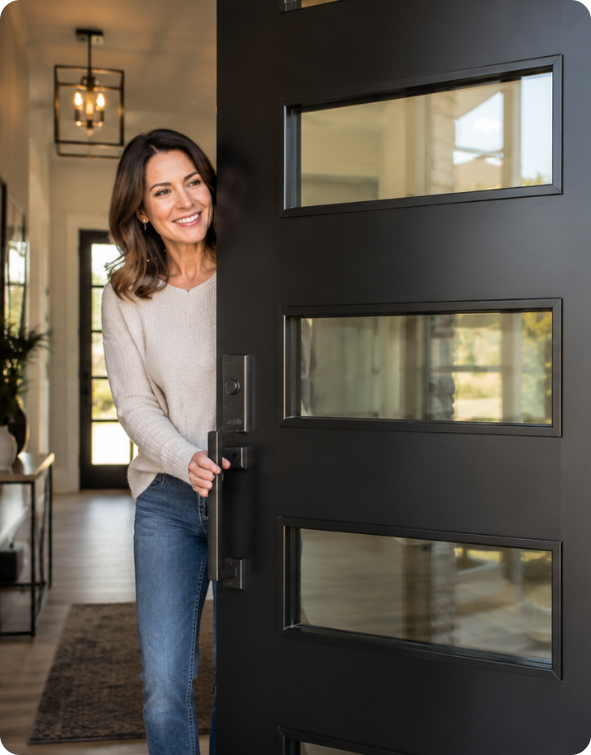
Are Your Windows or Doors Showing Their Age?
Sometimes it’s obvious when an upgrade is overdue. Other times, the signs are easy to overlook.
You may be ready for replacement if your windows or doors:
- Let in noticeable drafts
- Make certain rooms uncomfortable
- Are difficult to open, close, or lock
- Show signs of moisture or deterioration
- Have outdated or damaged frames
- Allow excessive outside noise into your home
- Look worn or outdated compared to the rest of your home
- Seem to be driving up your heating and cooling costs
If you’re experiencing one or more of these issues, it may be time to consider replacement.
From First Conversation to Final Installation
Replacing your windows or doors shouldn’t feel overwhelming. Our process is designed to make your project simple and straightforward.
1
Schedule Your Estimate
Tell us what you’re looking to improve and schedule a convenient time for your free estimate.
2
Find The Right Solution
We’ll evaluate your existing windows or doors, discuss your goals, and help you explore the styles and options that make sense for your home.
3
Professional Installation
Once you’ve selected your products, our team handles the replacement with care and attention to detail.
4
Enjoy Your New View
Step back and enjoy a home that’s more comfortable, more functional, and ready for years to come.
What Your Neighbors Are Saying
Two Locations. Better Coverage Across North Texas.
Serving Communities Throughout North Texas
Our Rockwall and Richardson locations help us serve homeowners throughout the surrounding North Texas communities.
Ready for a Better View of Your Home?
Whether you’re dealing with drafty windows, an outdated front door, or simply ready to give your home a fresh new look, New View Windows is here to help.
Get professional window and door replacement from a local team focused on quality, craftsmanship, and your complete satisfaction.